
Malaysian brands recognize interior design exhibition as essential for showcasing innovation and connecting with diverse audiences. Sustainable materials like bamboo and reclaimed wood are increasingly used to reduce environmental impact and support local economies. Digital technologies including VR and augmented reality create immersive, interactive visitor experiences. Exhibitions balance creativity with functionality through flexible, engaging layouts. Growing eco-conscious demand drives transparent, sustainable practices. Further insights explore how these trends shape Malaysia’s interior design landscape.
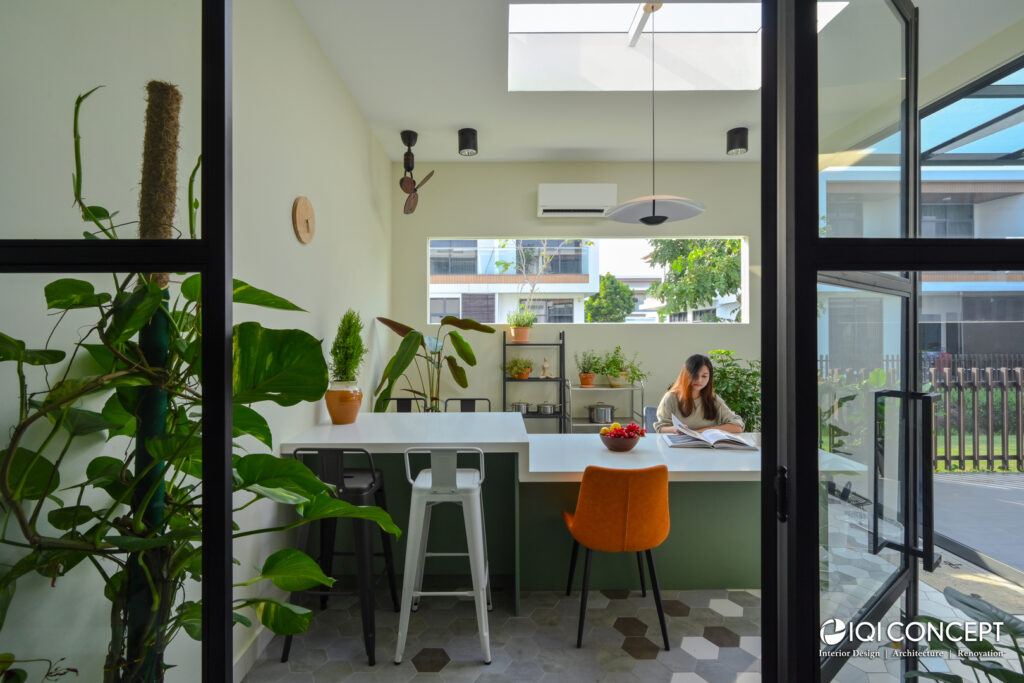
Why Interior Design Exhibitions Matter for Malaysian Brands
How do interior design exhibitions influence the trajectory of Malaysian brands? These events offer a dynamic platform for brands to showcase innovation and craftsmanship, attracting both local and international attention.
Exhibitions facilitate direct engagement with a diverse audience, allowing brands to receive immediate feedback and gauge market trends exhibiton booth design malaysia. This interaction empowers Malaysian brands to refine their offerings and expand their reach beyond conventional boundaries.
Additionally, such exhibitions foster networking opportunities with industry leaders, potential collaborators, and buyers, accelerating growth and visibility. They serve as catalysts for brand evolution, helping companies assert their identity in a competitive landscape.
Sustainable Materials Transforming Exhibition Designs in Malaysia
Interior design exhibitions in Malaysia increasingly incorporate sustainable materials, reflecting a growing commitment to environmental responsibility within the industry. Renewable resources like bamboo, reclaimed wood, and recycled metals are gaining prominence, offering both durability and eco-friendliness.
These materials reduce waste and lower the carbon footprint of exhibition setups, aligning with global sustainability goals. Malaysian designers prioritize sourcing locally to support the environment and economy, while innovative composites and biodegradable textiles provide versatile design options.
This shift encourages brands to communicate values of transparency and conscious consumption, appealing to modern consumers who value ethical practices. Sustainable materials not only transform aesthetics but also influence operational choices, proving that responsible design can coexist with creative freedom and impactful presentation.
How Malaysian Brands Use Digital Tech for Immersive Exhibitions
Many Malaysian brands are leveraging advanced digital technologies to create immersive exhibition experiences that engage and captivate audiences.
Virtual reality (VR) and augmented reality (AR) are increasingly employed to offer interactive walkthroughs, allowing visitors to explore designs in dynamic, personalized ways.
Projection mapping animates static displays, transforming spaces and enhancing storytelling without physical alterations.
Touchscreen interfaces provide intuitive access to detailed product information, fostering deeper connections with the brand.
Additionally, digital installations enable real-time customization, empowering visitors to experiment with design elements freely.
These technologies break conventional boundaries, inviting audiences to actively participate rather than passively observe.
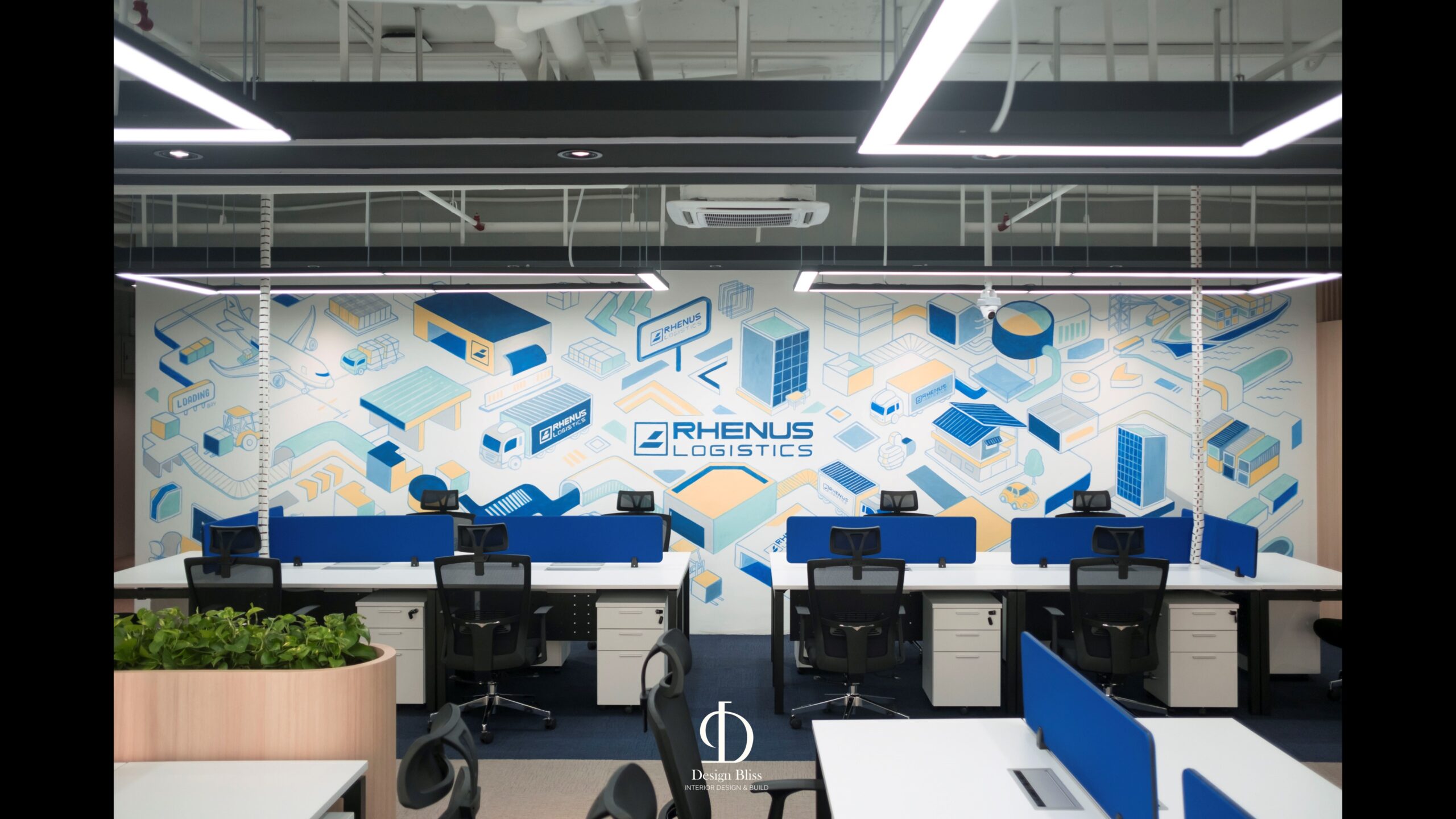
Showcasing Creativity and Functionality: Strategies for Malaysian Brands
Building on the integration of digital technologies, Malaysian brands are increasingly focused on balancing creativity with functionality to deliver compelling exhibition experiences.
Effective strategies include designing flexible spaces that adapt to various display needs while maintaining aesthetic appeal. Brands prioritize clean, intuitive layouts that guide visitors effortlessly, enhancing engagement without overwhelming.
Incorporating interactive elements invites deeper exploration, blending innovation with practical usability. Attention to material selection guarantees durability and visual impact, supporting both form and function.
Malaysian exhibitors also emphasize storytelling through design, connecting products to cultural narratives that resonate broadly. This approach fosters authentic connections while maintaining operational efficiency.
What Malaysian Brands Need to Know About Eco-Conscious Demand
As global awareness of environmental issues intensifies, Malaysian brands must recognize the growing eco-conscious demand shaping consumer expectations and industry standards.
This trend calls for integrating sustainable materials, energy-efficient solutions, and waste reduction practices into interior design offerings. Brands that prioritize transparency about sourcing and production gain trust and differentiate themselves in competitive markets.
Embracing eco-consciousness also aligns with a broader desire for freedom—freedom from harmful environmental impact and restrictive consumption patterns.
Interior design exhibitions provide a platform to showcase innovative, sustainable designs that resonate with conscious consumers.
Malaysian brands attuned to these shifts can not only meet demand but also inspire a cultural movement toward responsible living, balancing creativity with environmental stewardship and empowering consumers to make choices that reflect their values without compromise.
Conclusion
Interior design exhibitions present valuable opportunities for Malaysian brands to showcase innovation and connect with evolving consumer preferences. Embracing sustainable materials and integrating digital technologies are key trends shaping these events. By balancing creativity with functionality, Malaysian brands can effectively engage audiences while addressing growing eco-conscious demands. Staying informed about these developments enables brands to remain competitive and relevant in the dynamic interior design landscape both locally and globally.


